

Touring Preparation: Getting Your Motorcycle Ready for a Long Trip
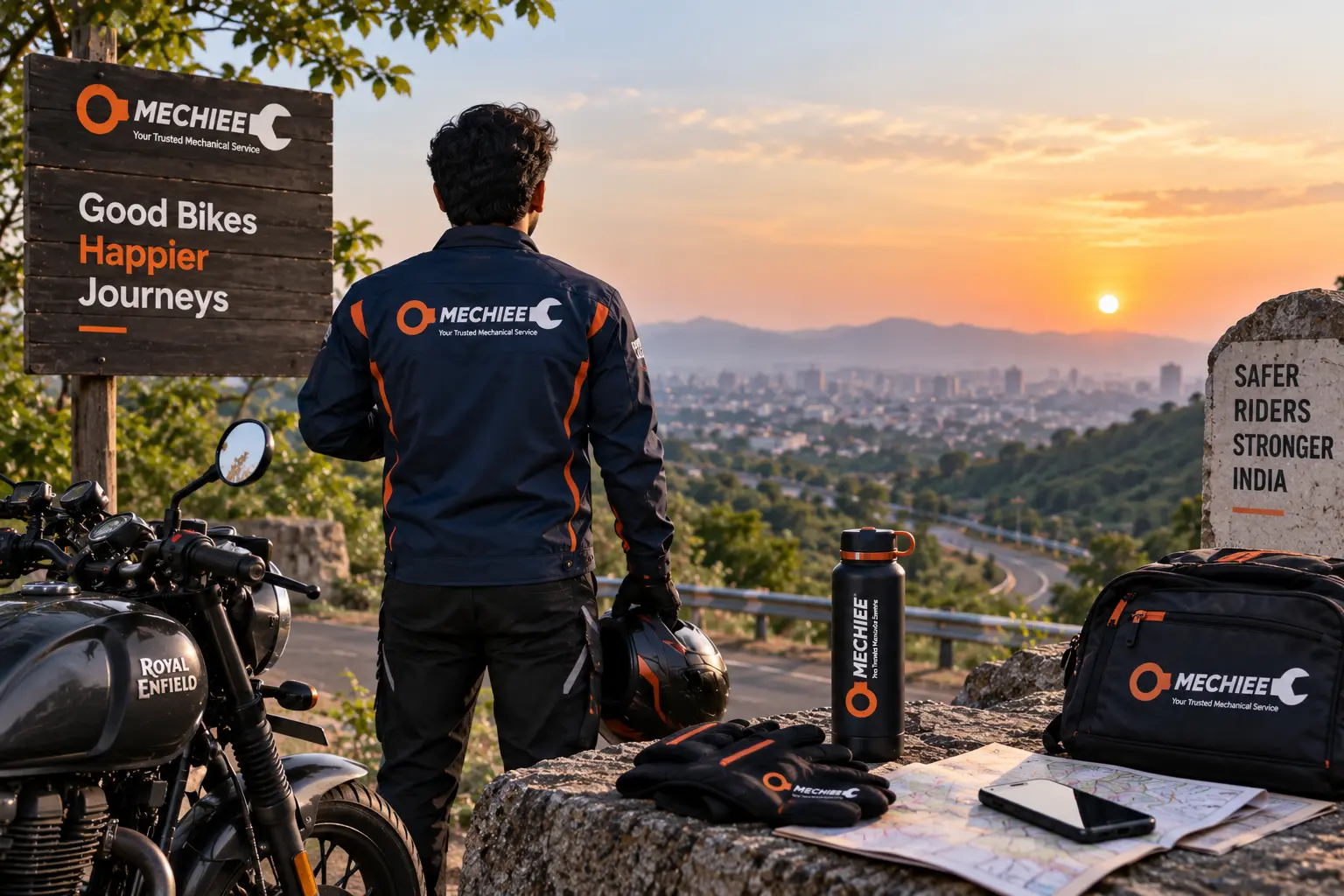
Touring — multi-day rides, often through unfamiliar terrain and away from your regular mechanic — deserves more preparation than a routine long ride. The goal isn't just avoiding a breakdown, but being ready to handle the ones that do happen, wherever you are.
Start With a Full Mechanical Inspection
A week or so before departure, get a thorough inspection covering engine oil, brakes, tyres, chain, suspension, and electricals — not just a quick glance, but enough time built in that if something needs replacing, you're not doing it the night before you leave. Touring routes often include terrain — mountain passes, gravel stretches, extended highway runs — that's harder on a bike than daily city use.
Tyres Deserve Special Attention
If your tyres are anywhere close to the end of their usable tread life, replace them before a tour rather than hoping they'll last. Also consider the terrain you're heading into — a tour through hilly or unpaved sections may benefit from tyres suited to mixed conditions rather than pure city-commuting rubber.
Suspension for Loaded Riding
Touring usually means carrying more weight than your daily commute — luggage, sometimes a pillion. If your rear shock has adjustable preload, set it appropriately for the additional load so the suspension doesn't sit too low in its travel and bottom out over bumps.
Pack a More Complete Tool and Spares Kit
- A tool kit matched to your specific bike, plus tyre puncture repair supplies and a compact inflator
- Spare fuses, a spare bulb, and if you're touring in a group, consider dividing spares so not everyone carries duplicates of everything
- Basic cable ties and electrical tape — surprisingly useful for a wide range of minor field fixes
- A tyre pressure gauge, since roadside stations don't always have reliable ones
Research Service Availability Along Your Route
Know roughly where fuel stops, and if possible, authorized service centers or trusted mechanics, are located along your planned route — especially for remote or hilly stretches where help can be hours away. This isn't about expecting trouble, just being prepared for it.
Break In New Parts Before You Leave
If you've just had new tyres, brake pads, or a chain fitted before the tour, ride on them for at least a short distance beforehand rather than heading straight into a multi-day tour on parts that haven't been bedded in yet. New brake pads especially need a proper bedding-in period to reach full effectiveness.
Plan for Varying Weather
Multi-day tours often cross different weather conditions even within the same trip. Pack layered gear and a proper rain jacket regardless of the forecast, since conditions can change faster than expected, especially in hilly or coastal regions.
Adjusting for Altitude and Terrain
Touring routes through hilly or mountainous terrain put different demands on a bike than flat highway riding — sustained climbing generates more engine heat, extended braking on descents stresses brakes more than flat riding, and altitude itself can slightly affect fuel-air mixture on carbureted engines. If your tour includes significant elevation change, factor in extra brake and cooling system attention during your pre-tour inspection, and consider engine braking on long descents to reduce brake heat buildup.
Documenting Your Bike's Baseline Before You Leave
Take note of things like your bike's normal sound, typical mileage, and how the brakes and clutch feel when everything is working well, before you depart. This baseline makes it much easier to notice and describe a genuine change if something starts feeling different partway through the tour, rather than second-guessing whether an unfamiliar road surface is simply making the bike feel different.
Group Touring: Mechanical Considerations
If touring in a group, it's worth having at least a basic understanding of each other's bikes, or at minimum, pooling tools and spares sensibly rather than everyone carrying identical redundant kits. Agreeing on a plan for what happens if one bike in the group develops a mechanical issue — does the group wait, split, or seek help together — is worth discussing before departure rather than figuring it out under pressure on the road.
The Value of a Shakedown Ride
Before committing to a multi-day tour, a shorter "shakedown" ride of a day or two — ideally with similar luggage and load to what you'll carry on the actual tour — reveals a lot that a stationary inspection can't. Loose luggage straps, an uncomfortable riding position under load, or a minor mechanical quirk that only shows up after sustained riding are all far better discovered on a short trial run close to home than three days into an actual tour.
Insurance and Documentation for Touring
Before a long tour, confirm your insurance and registration documents are current and easily accessible, and consider keeping digital copies as backup. Riding through unfamiliar states or regions occasionally means encountering checkpoints, and having documentation readily available avoids an easily preventable delay to an otherwise well-prepared trip.
Building in Flexibility for the Unexpected
Even the most thoroughly prepared tour benefits from a little built-in schedule slack — an extra half-day buffer for an unplanned repair stop, bad weather, or simply wanting to rest longer than planned. Riders who plan every day of a tour down to a tight schedule often find that a single unexpected delay cascades into rushed, less careful riding just to catch up, which is exactly the opposite of what good preparation is meant to achieve.
Frequently Asked Questions
How far ahead of a tour should I get my bike serviced?
About a week is a good buffer — enough time to address anything unexpected the inspection turns up, and to ride a short distance afterward to confirm everything feels right before you're fully committed to the trip.
Should I carry spare tyres on a long tour?
A full spare tyre is impractical for most riders, but a reliable puncture repair kit and inflator cover the vast majority of tyre issues you're likely to encounter. Full tyre replacement mid-tour is best handled at a service point along the route if needed.
What's the most commonly overlooked prep item for touring?
Suspension preload adjustment for the added weight of luggage and a pillion — riders often check the obvious items (oil, tyres, brakes) but forget that a loaded bike handles differently than an unloaded one.
Ride Out Prepared
A thorough pre-tour inspection is the foundation of a trouble-free trip. Mechiee's General Inspection and Suspension Check cover the essentials — pair this with our long ride pre-ride checklist for the day-of details.
Is your bike due for service or inspection?
Don't wait for breakdown emergencies. Book an expert doorstep inspection or general service with Mechiee in under 60 seconds.
Comments
Log in to join the conversation→No comments yet — be the first to share your thoughts.